Communicatie between modulair power supplies
Communication between modular power supplies
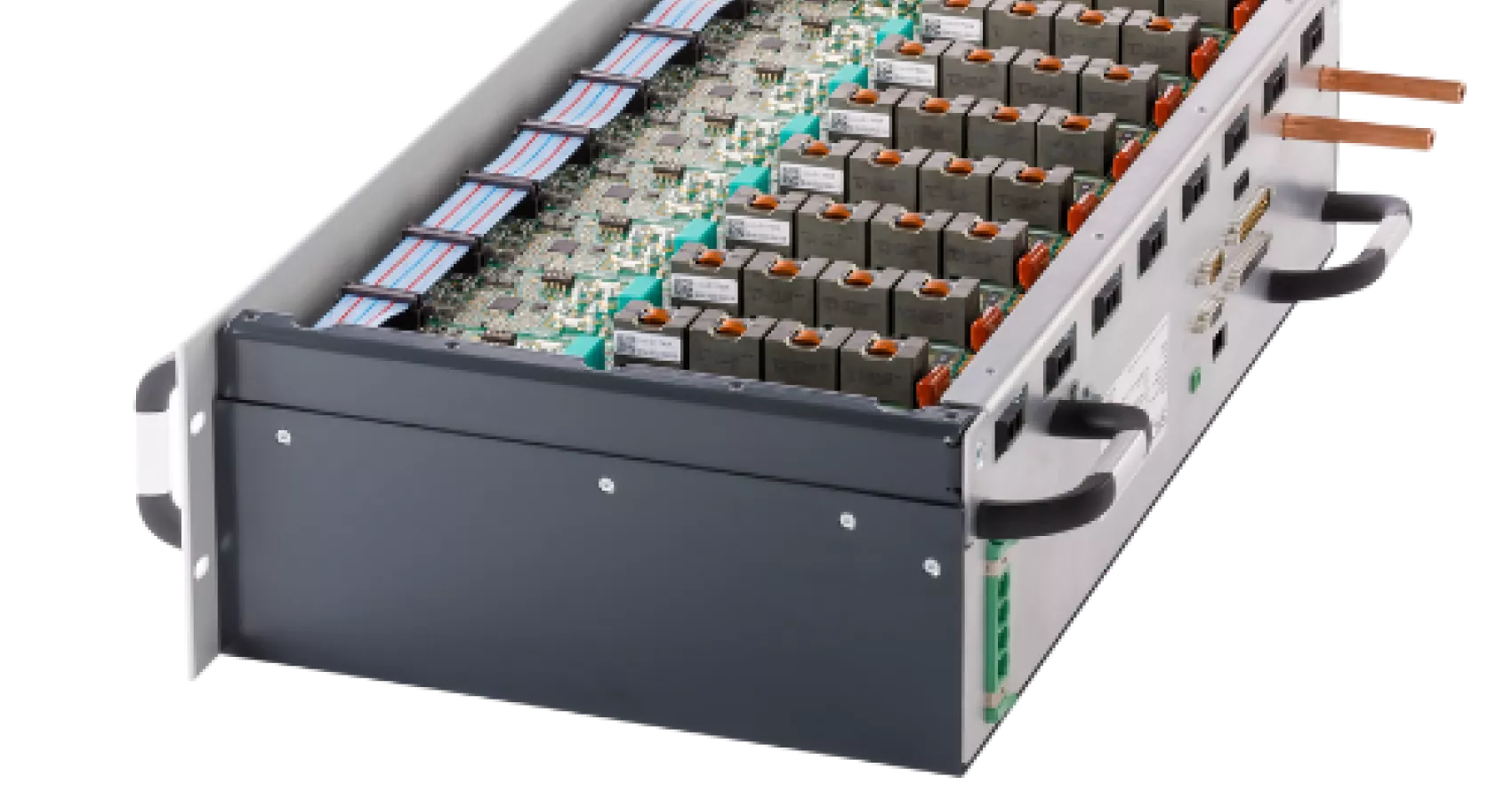
Within industry, machines are getting bigger, manufacturing lines are getting more powerful and the demand for higher power supplies is increasing. These power supplies are crucial for manufacturing lines, automotive and shipbuilding to provide the required power for these large machines. From Engineero, we worked on a new generation high power power supply to adequately deliver the required power.
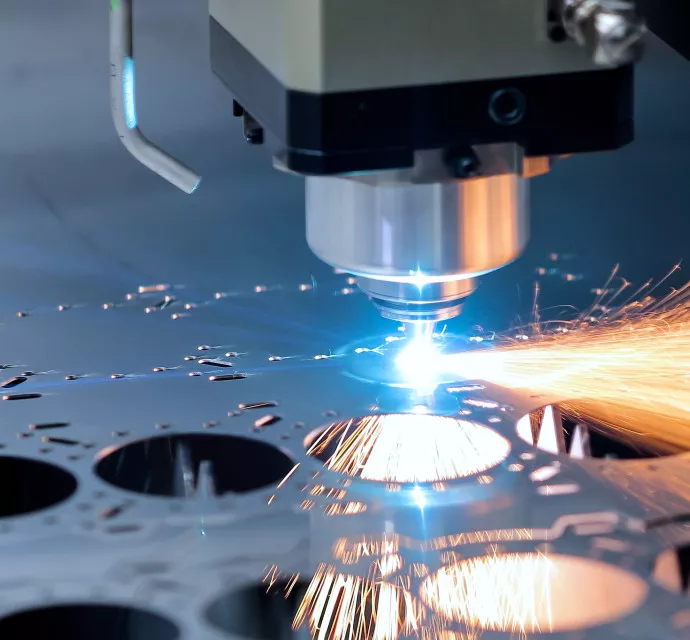
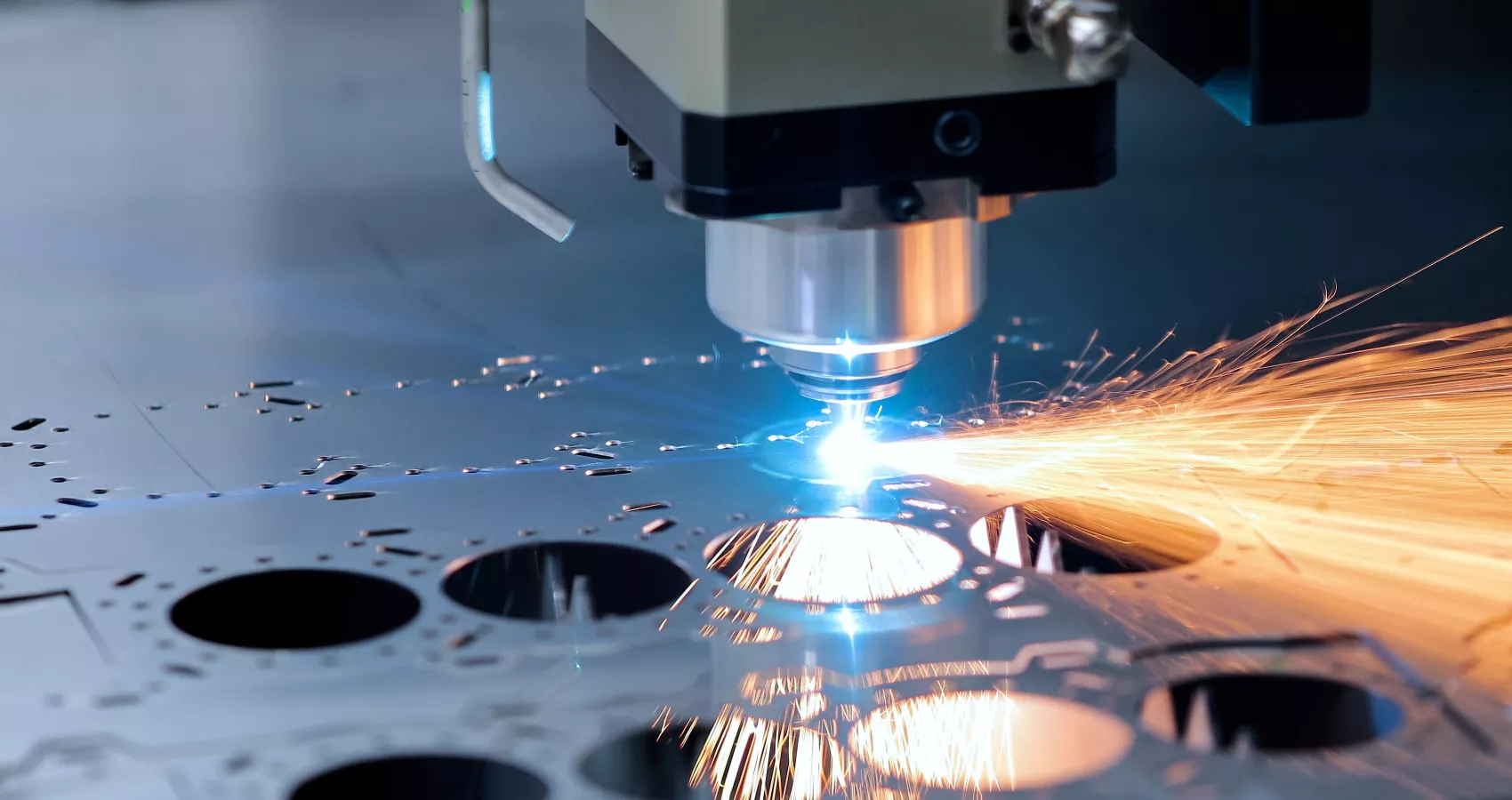
This technical issue came from an organization that specializes in developing high-power power supplies for large industrial applications. These include power supplies for plasma and laser cutters. In a market where the demand for high-power power supplies is increasing, there was a desire to develop a reliable and modular power supply.
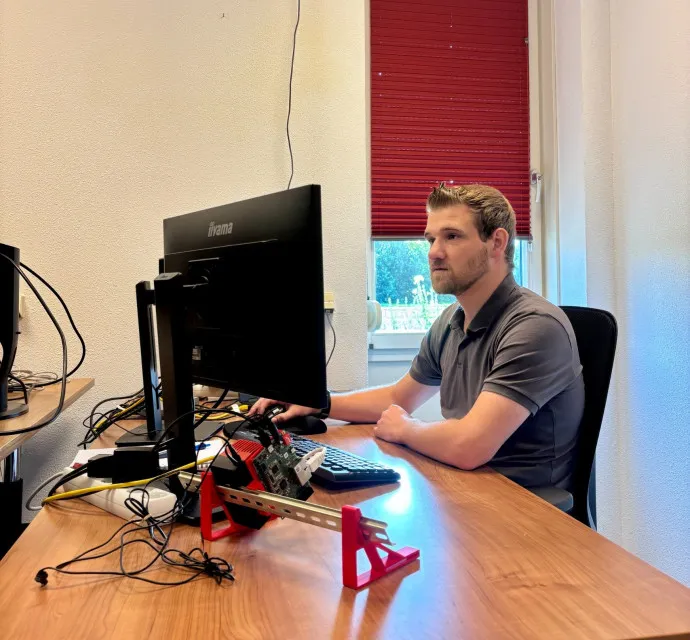
"It was nice to take on this project together with Klaas. When either of you get stuck for a while, you can help each other look at the problem in a different way." Joppe Blondel
Technical issue
The right type of power supply is crucial to the basic functionalities of a machine. For example, a laser cutting machine requires short, but enormously powerful power pulses to perform optimally. By developing a modular power supply, the available capacity could be increased significantly from 4 kW to 16 kW. But: One of the criteria was that the modular power supply had to be able to operate both in parallel and in series. In this, one of the biggest challenges was setting up reliable communication, at high speed, between the different boards. To keep the voltages between the power supplies equal and to prevent overloading, the need arose for an advanced communication and control mechanism.
Engineering expertise
For this technical issue, Engineero was hooked up to develop a new controller with a real-time operating system (RTOS). This controller had to effectively manage and control the communication between different power modules, with the goal of even power distribution and reliable operation of the power supplies. The development of this controller required advanced knowledge of embedded systems and a deep understanding of RTOS to manage the time-critical processes within the system. Building on the customer's prototypes, the architecture was first divided into different modules, each responsible for a part of the tasks the controller must perform. Then the cooperation between the modules was worked out and implemented. The result was a system that is efficient in its current use and adaptable to future variations and customer-specific requirements.
"It was nice to also take the engineers there into our way of working and apply the 4-eye principle: there are always 2 people looking at the code and checking if it makes sense." - Klaas Hoekstra
Engineering projecten
Binnen diverse markten werken onze engineers aan technische vraagstukken en uitdagingen. Daarbij vraagt elke markt om een andere expertise. Onze technisch specialisten zetten daarom hun kennis en kunde in om uitdagende vraagstukken van de juiste antwoorden te voorzien. Om zo samen met onze klanten tot oplossingen te komen die het leven van mensen makkelijker maken.