Sensors for an optimal rail network
Various Internet of Things (IoT) sensors
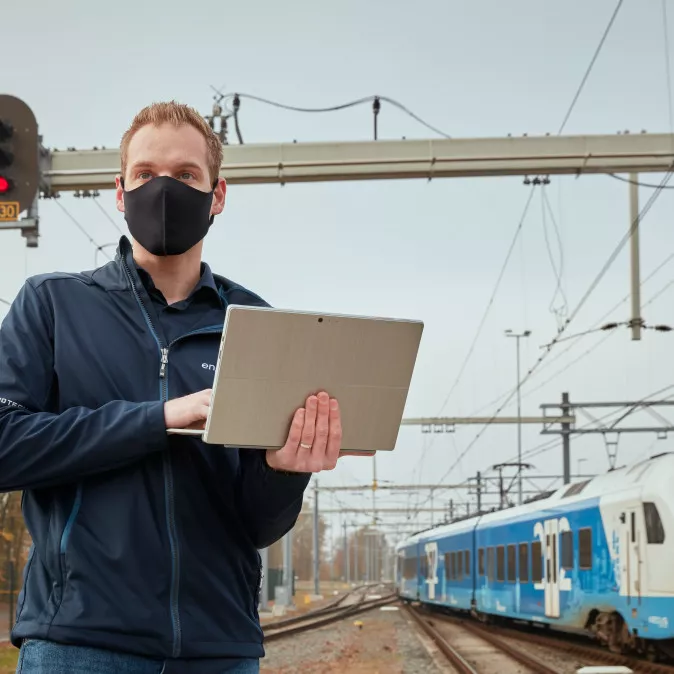
The Netherlands has an enormous railway network. In our country there are 7,000 kilometers of track and there are 1.4 million train journeys every working day. To prevent malfunctions, a well-maintained track is necessary. At Engineero, we are working on various Internet of Things (IoT) sensors that can detect rail degradation at an early stage. With this data, preventive maintenance is possible and we minimize delays for travelers.
This technical issue came from an organization that largely carries out the maintenance of ProRail's track. On the one hand, this means maintenance and repairs in the event of malfunctions, but in addition they would like to maintain the track preventively and prevent future malfunctions. This requires data and insight into the status of the track. In order to be able to measure the data on and around the track on a daily basis, the need arose to develop Internet of Things (IoT) sensors.
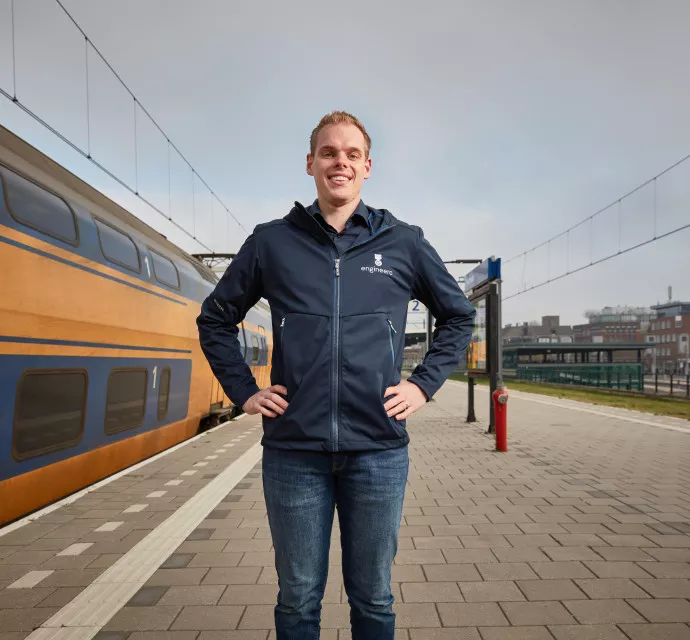
''A lot of preliminary research had already been done before developing the IoT sensors, but we still had to explore how this could be put into practice. It was cool that I was given both the freedom and challenge to research the problem and start developing it.” - Klaas
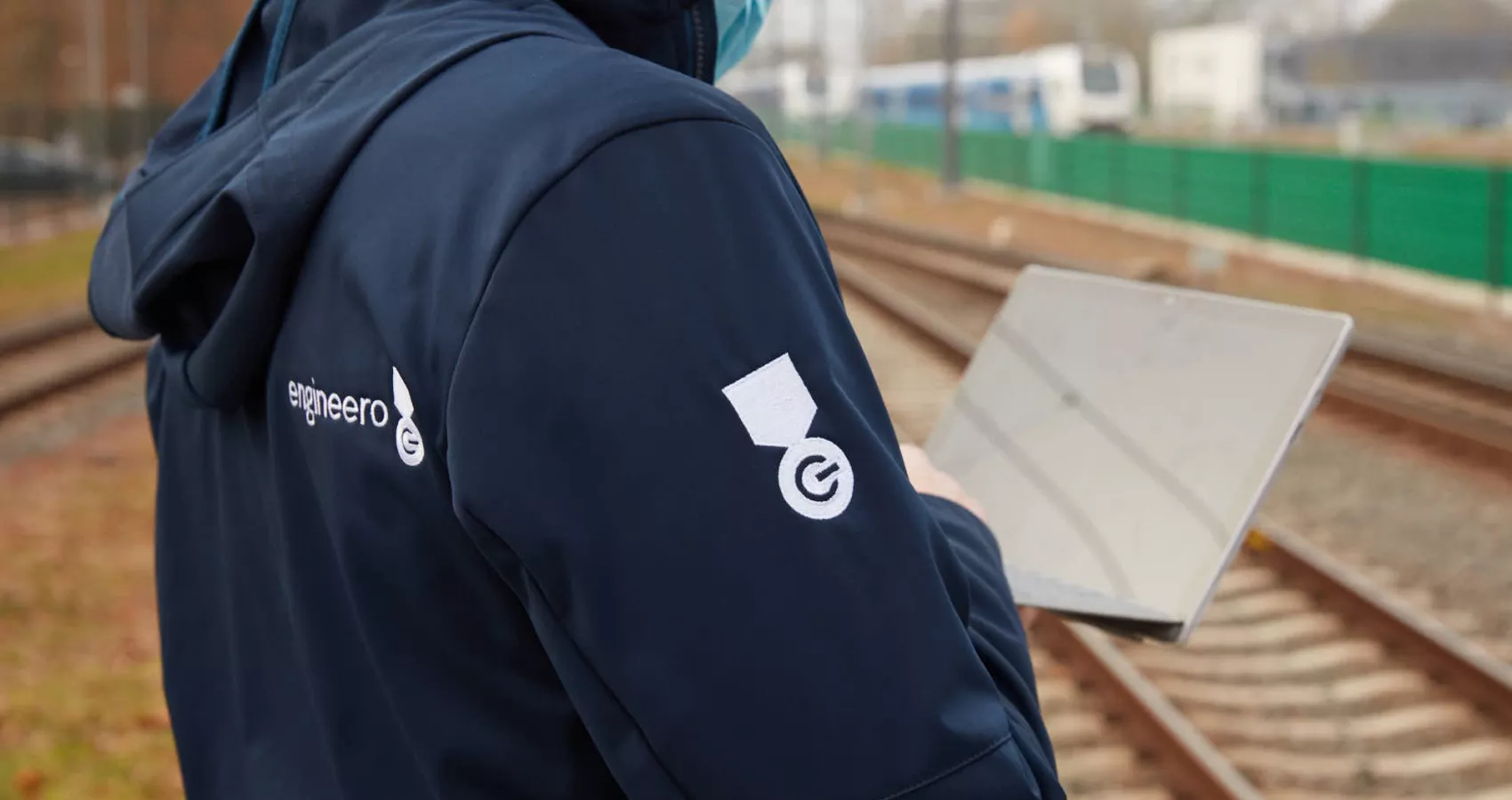
Technical issue
Every year, ProRail makes a distribution of the available capacity on the track. How many trains can run per hour on each route and in what frequency? When too many trains run on the track, it causes vibrations that can cause the gravel bed under the track to sink. To check the track for any subsidence, a supervisor is currently personally going along the track. However, the track often deteriorates exponentially. When you use sensors to collect data, you can make predictions in advance and see at an early stage when maintenance needs to be performed.

Engineering expertise
Engineero was involved in this technical issue to develop energy-efficient IoT sensors that use a real-time operating system to measure the data on and around the track on a daily basis. The first challenge was to gain insight into which data we need to measure and with which sensors this is possible. The next step was to develop prototypes of energy-efficient sensors. The eventually developed sensors last up to 20 years on a battery and measure the speed and length of overrunning trains, monitor the electrical load on the track or signal a possible shift of the track. We now have different types of IoT sensors at various test locations in the Netherlands with which data is collected. The further we roll this out, the better we can predict preventive maintenance. The ultimate goal is to minimize the number of disruptions and therefore also the number of delays for travelers.
''My expertise in Embedded Systems and my background in electronics were a suitable match with this issue. Making the sensors energy efficient required knowledge of both the hardware of the sensors and the required software.''- Klaas
Engineering projects
Our engineers work on technical issues and challenges in various markets. Each market requires a different expertise. Our technical specialists therefore use their knowledge and skills to provide challenging issues with the right answers. In order to find solutions together with our customers that make people's lives easier.